
Understanding the 4 Types of Hoarding Disorders: Signs, Risks and Their Impact
Hoarding disorder is more than just collecting too many things. It is a complex condition that affects how people think, feel, and behave around possessions. For many individuals, letting go of items can cause deep distress, even when those items seem useless to others. Over time, this behaviour can lead to unsafe living conditions, strained relationships, and serious health risks. Understanding the Types of Hoarding Disorders is the first step towards recognising the problem and seeking the right support. Each type has its own patterns, challenges, and risks, but all require compassion and proper care.
Object Hoarding – The Most Common Form
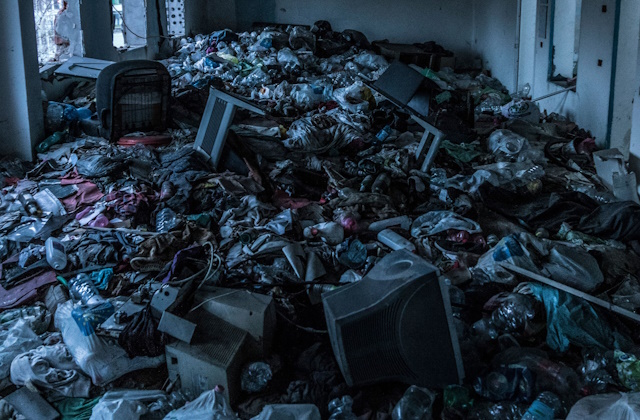
Object hoarding is the type most people recognise. It involves the excessive collection of everyday items such as newspapers, clothes, containers, or broken appliances. These items are often kept because the person believes they might be useful someday or hold sentimental value.
People with object hoarding disorder often struggle to organise their belongings. Rooms can quickly become overcrowded, making it difficult to use essential spaces like kitchens or bathrooms. Over time, this can create fire hazards, hygiene issues, and limited access within the home.
This type of hoarding usually develops gradually. It may begin with harmless collecting but can escalate without proper intervention. Early awareness and support can make a significant difference in preventing severe living conditions.
Animal Hoarding – A Serious Welfare Concern
Animal hoarding is a more complex and sensitive form of hoarding disorder. It involves keeping a large number of animals without the ability to provide proper care, nutrition, or hygiene. While the individual may believe they are helping or rescuing the animals, the reality is often the opposite.
Animals in these environments may suffer from neglect, illness, and overcrowding. The home itself can also become hazardous due to waste accumulation and strong odours. This creates risks not only for the animals but also for the occupants and neighbours.
Animal hoarding often requires intervention from animal welfare organisations and professional cleanup services. It also highlights the need for psychological support, as individuals may have strong emotional attachments to the animals.
Food Hoarding – Hidden Health Risks
Food hoarding is less visible but equally concerning. It involves storing excessive amounts of food, including expired or spoiled items. This behaviour is sometimes linked to fear of scarcity or past experiences of deprivation.
Kitchens and storage areas can become overwhelmed with food items, many of which are no longer safe to consume. This can lead to mould growth, pest infestations, and unpleasant odours. In severe cases, it may even pose serious health risks.
People who hoard food may feel anxious about throwing anything away, even when it is clearly unsafe. Addressing this type of hoarding often involves both practical support and emotional counselling to manage underlying fears.
Digital Hoarding – The Modern-Day Challenge
In today’s digital world, hoarding is no longer limited to physical items. Digital hoarding involves the excessive accumulation of digital files such as emails, photos, documents, or downloads. While it may not create physical clutter, it can still impact mental wellbeing and productivity.
Individuals may feel overwhelmed by the sheer volume of digital content. They often struggle to delete files due to fear of losing important information. This can lead to disorganisation, stress, and difficulty finding what is truly needed.
Digital hoarding highlights how hoarding behaviours can adapt to modern lifestyles. It also shows that the core issue is not just about items, but about emotional attachment and fear of letting go.
Bio-Cleanse Pty Ltd – Professional Support You Can Trust
Understanding the Types of Hoarding Disorders can help individuals and families recognise when professional support may be needed. Hoarding situations can quickly lead to unsafe and overwhelming living conditions. That is where professional help becomes essential.
Bio-Cleanse Pty Ltd provides expert hoarding cleanup services with care, discretion, and understanding. Our trained team safely removes clutter, addresses biohazards, and restores homes to a clean and liveable state.
We proudly service Goulburn, Mittagong, Moss Vale, Bowral, and Canberra. Whether the situation involves general clutter or more severe biohazard conditions, we are here to help every step of the way.
If you or someone you know needs support with the Types of Hoarding Disorders and their associated cleanup challenges, contact Bio-Cleanse Pty Ltd on 0409037634 or email bryan@biositecleanup.com.au.
Let us help you reclaim a safe, healthy, and comfortable living environment.